

Affiliate marketing isn’t slowing down. The global industry is now valued somewhere between $17 billion and $28 billion, and it’s growing at a CAGR of 9% to 18% a year. More brands are running programs, more publishers are joining them, and more of that growth is happening especially across Asia-Pacific. India, to be precise.
While the core mechanism across all models remains the same, your daily operations, upfront costs, and audience trust requirements vary depending on the specific model you choose. In this blog, we break down the various types of affiliate marketing and which ones you should choose.
What are The Different Types of Affiliate Marketing?
Understanding marketing in general begins when you learn that there is no one way to do things. In this section, we’ll explore different types of affiliate marketing based on aspects such as affiliate involvement, pay models, and more.
The 3 Types of Affiliate Marketing (Based on Affiliate Involvement)
As an affiliate marketer, you have to decide how involved you want to be with the advertising. Do you have the time to build a connection with the audience and promote the links? Or are you just looking for passive income without investing much time? Here are some affiliate marketing types based on how involved you want to be in the process.

Unattached Affiliate Marketing
In unattached affiliate marketing, you have zero personal connection to the product, the niche, or the customer. You do not build a blog, film YouTube videos, or show your face. Instead, you act purely as a media buyer:
How it works:
- You create ads with your affiliate links targeting potential buyers.
- When someone clicks on the link and buys the product, you get a cut of the sale.
- There is no direct interaction between you and the buyer. You only share the link as ads.
Best for: Beginners who want to start earning immediately, people who don’t want to spend time building an online presence, and anyone who wants passive income by running a few ads.
Example: If you search for “video editing tools” on Google, your search results will have “sponsored” links at the top of the search results. Most of these ads are run by affiliates. You can also run such ads and earn a commission anytime anyone purchases through your link.
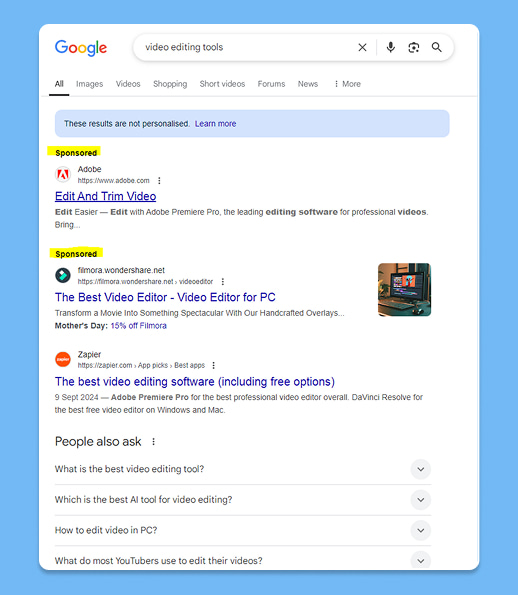
NOTE: You don’t need any presence or authority in the niche or a set of followers. There is no need to endorse a product personally as well. All you have to do is post the affiliate links as ads. However, the lack of a loyal following may also mean that people won’t buy from the links. You will need to invest in Adwords, but it may be hard to earn a commission that way. Your success depends on your ability to run ad campaigns.
Related Affiliate Marketing
Another form of affiliate marketing is related affiliate marketing, wherein affiliates promote products relevant to their audience or niche (e.g., bloggers, influencers). You need to have some sort of online presence, like blogs, podcasts, videos, or social media, to do this type of affiliate marketing. Basically, you share affiliate links for products or services that align with your content and are genuinely useful to your audience.
How it works:
- You create your affiliate links through any affiliate platform.
- Then you can incorporate affiliate links into your content, such as blog posts, YouTube descriptions, podcast show notes, Instagram story links, YouTube recommendations, or banner ads, or text links.
- Please note that you need to share products and links that are relevant to your existing audience. Recommend products or brands that naturally fit into your niche and content, rather than running random ads.
- If someone purchases through your affiliate link, then you get paid.
Best for: Influencers, bloggers, and reviewers with real credibility, and anyone willing to invest serious time in both the brand relationship and the audience relationship.
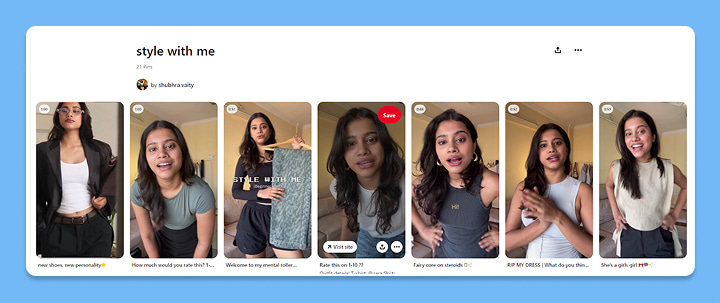
Example: Take a well-known Indian beauty and fashion influencer who partners with luxury brands and features their products across Reels, Pinterest, and YouTube. Because her audience already trusts her taste, a product mention reads as a genuine recommendation, not a sales pitch. If you’re running something similar, the AJIO affiliate program on GrabCash is a good example of how you can earn commissions via your fashion recommendations.
Involved Affiliate Marketing
Involved affiliate marketing is when you have used a product and genuinely endorse it. In this affiliate marketing model, you become the voice of the products you truly love. So, you are not just involved with your audience but also deeply believe in the brand.
How it works:
- You create a loyal follower base on any social media platform or your website.
- Then you interact with the brand and experience its products. If you love the product, you share the recommendation with your audience.
- Affiliate links are embedded naturally into your content, be it Instagram reels or blog posts; the links are not casually placed in banners or sidebars.
- Once you have established trust, your audience will start believing your recommendations and buying from your unique affiliate links.
Best for: Influencers, bloggers, YouTubers, or reviewers with a dedicated following who have a high level of credibility with the audience. You can also be involved in this if you are willing to invest significant time and effort into building long-term relationships with both brands and their audience.
Example: A great example is OutdoorGearLab. Their team rigorously tests outdoor gear, then publishes detailed, unbiased reviews on their website. Affiliate links are included within their reviews, so readers can purchase the tested products directly. The trust they’ve built with their audience comes from their hands-on approach and honest reviews.
NOTE: While related affiliate marketing and involved affiliate marketing may seem the same, involved affiliate marketing requires a close relationship with a brand so that you can vouch for it. With related affiliate marketing, the links you promote just have to be relevant. However, in involved affiliate marketing, the product should be tried and tested before you personally recommend it to your audience.
8 Types of Affiliate Marketing Based on Pay Model
To be an affiliate marketer, you need to understand the various payment models in the industry. Here’s a look at the different affiliate marketing types based on the pay model.
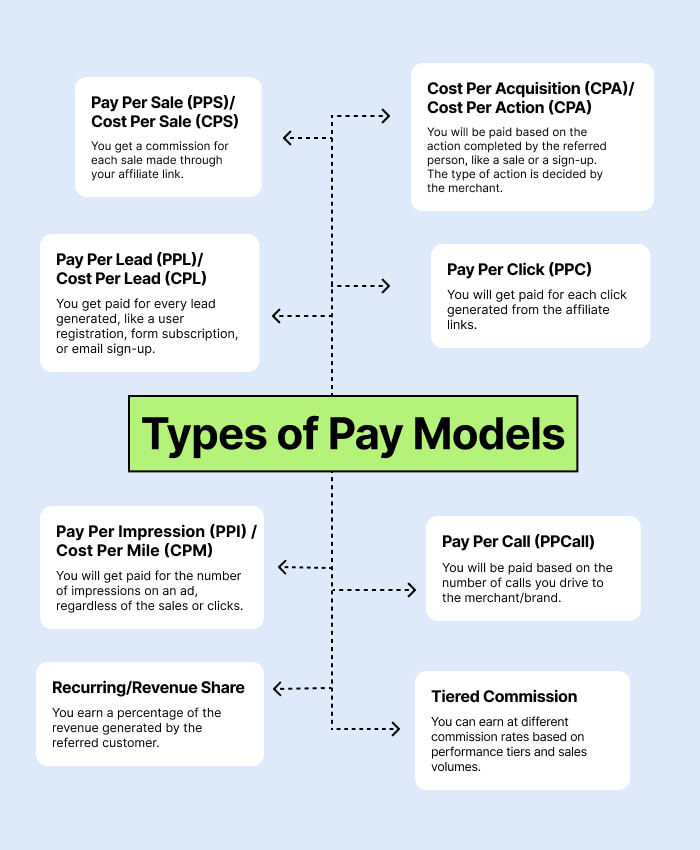
| Pay Model | Description |
| Pay Per Sale (PPS)/Cost Per Sale (CPS) | You get a commission for each sale made through your affiliate link. |
| Cost Per Acquisition (CPA)/ Cost Per Action (CPA) | You will be paid based on the action completed by the referred person, such as a sale or a sign-up. The type of action is decided by the merchant. |
| Pay Per Lead (PPL)/Cost Per Lead (CPL) | You get paid for every lead generated, like a user registration, form subscription, or email sign-up. |
| Pay Per Click (PPC) | You will get paid for each click generated from the affiliate links. |
| Pay Per Impression (PPI) /Cost Per Mile (CPM) | You will get paid for the number of impressions on an ad, regardless of the sales or clicks. |
| Pay Per Call (PPCall) | You will be paid based on the number of calls you drive to the merchant/brand. |
| Recurring/Revenue Share | You earn a percentage of the revenue generated by the referred customer. |
| Tiered Commission | You can earn at different commission rates based on performance tiers and sales volumes. |
Different brands have specific types of payment models based on their business model. While these are the most common types of affiliate marketing payment models, brands can use their own ways of rewarding affiliates and can also combine various models (hybrid) to reward the affiliates.
Types of Affiliate Partners
You can be any type of affiliate partner, including a blogger, influencer, or even a search affiliate. Understanding the options you have will make it easy for you to pick a type that benefits you and matches your skills.
Content Creators
As a content creator, you have multiple ways to become an affiliate partner. It is as easy as sharing affiliate links on platforms like Instagram, YouTube, Facebook, TikTok, and LinkedIn or through podcasts, blogs, and newsletters. This approach lets you turn your authentic content into a steady income stream. Simply choose the right programs, share relevant content, and earn your commissions!
Email and Newsletter Affiliates
If you are into tech or SaaS or know how the industry works, then this can be a good option for you. You can become an affiliate by integrating product recommendations and affiliate links into your regular newsletter and email campaigns. Embed the links into your content organically and earn commissions when users engage with the links. In order to succeed as an email or newsletter affiliate, you need to consistently provide valuable content to your audience.
Social Media and Influencer Affiliates
In the day of Instagram and TikTok, when people spend most of their day scrolling, there is no better platform to earn money.
How does influencer marketing work?
As a social media influencer, you can use platforms like Instagram, TikTok, Facebook, and even YouTube to build an audience and promote products. Firstly, you need to pick a niche- may it be fitness, fashion, or cooking. Then create content that engages the audience. Once you have amassed a decent number of followers, you can start promoting products. You can share discount codes, product reviews, unboxing videos, or GRWM videos, encouraging your followers to purchase through your links.
Video, Live Shopping, and Short-Form Affiliates
This is a newer category worth mentioning separately. Live shopping and short-form video are becoming the fastest-growing traffic source for affiliate sales, with video content now expected to drive over half of all affiliate-generated traffic. Think live product demos, “get ready with me” hauls, or short comparison clips, aall with a link or code layered in. It converts well because it mimics the experience of a friend recommending something in real time, rather than reading a static review.
Search Marketing Affiliates
Anyone good at SEO or paid search advertising can use the knowledge to drive traffic to a merchant’s /brand’s page. You can drive traffic by creating high-ranking, quality content or running PPC campaigns. Start creating relevant content that your users are using, and make sure it’s SEO-optimised. This way, you can target users who are actively searching for the brands/relevant solutions and convert them into buyers.
Cashback and Coupon Affiliates
This is one of the biggest and most trusted models in India and globally, and it’s exactly the model GrabCash runs on. Instead of writing reviews or building a personal brand, cashback and coupon platforms give shoppers a direct incentive: a percentage back, a discount code, or reward points for buying through a tracked link.
How it works:
- The platform partners with merchants and gets access to affiliate links.
- People browse the platform looking for a deal before they buy.
- When they purchase through the platform’s link, the merchant pays a commission.
- The platform shares part of that commission back with the shopper as cashback. And in the case of GrabCash, you get paid when someone shops via the affiliate link your shared.
Why it matters for you: This model doesn’t require a blog, a following, or content creation at all. You just need to know how to find and share deals people actually want. It’s why GrabCash works for students, homemakers, and group admins who aren’t trying to become influencers; they’re just trying to make some extra cash.
Which Platforms Offer the Best Affiliate Programs?
It can be difficult to find affiliate programs that are right for you. We have curated a list of the best affiliate programs below:
| Affiliate Program | Commission Rate | Cookie Duration | Payment Timeline | Notes |
| GrabCash | Up to 32% on partner brands | 30 days | 8–90 days | 200+ brands, no approval needed, simple link sharing and dashboard tracking |
| Amazon Associates | 1–20% by category | 24 hours (90 days if in cart) | 60-day delay | Easy sign-up, but must generate sales within 180 days of joining |
| Flipkart Affiliate | Up to 12% | 24 hours | Monthly | One of the largest Indian e-commerce programs. Program on pause now, but you can access the Flipkart Affiliate program via GrabCash |
| Rakuten Advertising | Varies by advertiser | Varies | 30 days + one week | Multi-touch and coupon-based commission models |
| Shopify Affiliate Program | Up to $150 USD (Rs. 12,500) per qualified plan referral (up to $2000 for Shopify Plus referrals) | 30 days | Commission calculated monthly on the 22nd; withdraw bi-weekly or at a custom threshold | One-time bounty, not recurring, for standard referrals |
| vCommission | Varies | Varies | Varies | India’s first international affiliate network; strong in e-commerce, travel, and finance |
| ClickBank | 1–75% | 60 days | Weekly or bi-weekly | Mostly digital products; limited India-specific inventory |
| AWIN | Varies | Typically 30 days | Varies | Access to 25,000+ advertisers globally |
If you want to explore more money-earning opportunities beyond affiliate programmes, you can read about money-earning apps in India.
Common Mistakes to Avoid When Starting Affiliate Marketing
- Promoting everything, not what fits. Random, unrelated products dilute trust faster than they build income. Stick to what actually fits your audience. Promote products that make sense.
- Ignoring cookie duration. A short cookie window means you lose credit if someone doesn’t buy immediately. Factor this into which programs you prioritize.
- Skipping disclosure. Not disclosing affiliate links isn’t just bad practice; it can violate platform and regional advertising rules. A simple, honest disclosure builds trust rather than costing you clicks.
- Relying on a single program. If one merchant changes its commission structure overnight, you don’t want your entire income tied to it. Diversifying across a few relevant programs protects you. In case the Mamaearth affiliate program doesn’t work out, you can always try the Nykaa affiliate program. Nykaa has a variety of brands you can promote, including Mamaearth!
- Underestimating the payout process. Some networks hold commissions for 60 to 90 days to account for returns. Know the payment timeline before you count on that income.
How Do Affiliate Networks Track Sales and Referrals?
To understand how affiliate marketing works and how you get rewarded, you need to know the various ways in which the affiliate networks track the affiliates and their contribution. In this section, we will describe the various ways through which affiliate networks track sales and referrals.
Unique Tracking Links
Affiliate links are different from other links because they have a specific element: a unique ID. When you use the unique links, every click and conversion is recorded. The affiliate networks can monitor the traffic and sales that are generated by your affiliate link. Unique tracking links help affiliate networks to:
- Track sales and leads generated by the right affiliate to compensate them fairly.
- Track referrals and reward partners, as well as affiliate partners for successful recommendations.
- Analyze the performance of affiliates and plan their marketing strategies accordingly.
First-Party Cookies
Cookies are small pieces of data stored in a user’s browser when they visit a website. When a visitor clicks on an affiliate link, a cookie is placed in their browser. This cookie contains the info on the affiliate’s ID and their campaign info.
When the user/visitor makes a purchase with the recommendation of the affiliate, the cookie registers this information. How is this helpful? Well, in cases when the user makes a purchase later, say, 7 days or 30 days after visiting the affiliate link, it can still attribute the sale to the correct affiliate. So, if the cookie hasn’t expired, then you will get the commission made by the user through your affiliate link, thanks to cookies!
Tracking Pixels
What are tracking pixels? It is an invisible 1X1 pixel image on the merchant site that collects data such as IP addresses, referral URLs, and more. These pixels work in an interesting way: collecting information whenever a user completes an action. For example, if a user visited the merchant website using your affiliate link and placed an order, the tracking pixel will register the information on the affiliate network’s analytics system.
But how are they different from cookies? While cookies expire after a certain time, tracking pixels don’t expire or rely on the browser storage. They offer real-time insights and share them with the affiliate networks.
Server-to-Server (S2S) tracking
Server-to-server tracking, also known as a postback URL, is an advanced way to track affiliate sales and activity. In this case, there is direct communication between the affiliate’s server and the merchant’s server, using postback URLs. It is a more secure option than cookie tracking because it does not require data storage on the user’s browser. Many confuse S2S tracking with Pixel tracking as well, but they are different.
| Server-to-server Tracking | Pixel Tracking |
| Operates on the server side | Works on the client-side |
| Bypasses limitations and offers more reliability and accuracy | Can be affected by ad blockers and privacy restrictions |
API Tracking
Affiliate networks use API tracking to track affiliates’ performance. They integrate merchant systems and help with data exchange, so every click and conversion is recorded. While cookies and pixel tracking are browser-based methods, API tracking bypasses all this, making it a more secure option to track. It is more resilient against privacy restrictions, ad blockers, and browser issues while supporting compliance with regulations like GDPR. API tracking is a powerful and modern solution for tracking affiliate marketing.
Reporting and Analysis
Reporting and analysis help you track sales and referrals by providing detailed data on clicks, conversions, and commissions, so you know exactly which affiliates and campaigns are driving results. With these insights, you can design your marketing accordingly, like adjusting creatives or budgets, to boost performance. For example, if a particular affiliate consistently generates high sales, you can reward them or increase their commission.
How to Choose the Right Affiliate Type for My Niche?
Picking the right niche to start your affiliate marketing career is easy. All you have to do is consider your interest, the market, and the money. Here is how you can choose the right niche:
- Identify topics and areas you have an interest in and are passionate about. Shortlist a few niches that excite you.
- Do market research and analyze the products and services you will be promoting in your niches.
- Then learn about the earning potential of each niche and which affiliate programs are the highest paying and have profitable commissions.
- Understand the audience’s needs and preferences, what kind of content they want, and their needs and interests.
- Observe your competitors and learn from other affiliates and what they are doing. Try to observe their strategies and learn from them.
Once you have done ample research, you can narrow down your list and analyze which niche has long-term growth potential.
PRO TIP: Go for niches with lower search volumes and competition rates but strong industry growth projections. This will give you a chance to build authority and capture market share in an emerging sector.
Wrapping it up
There is no single best type of affiliate marketing. What works for one person depends on their audience, their strengths, and the time they can commit. Unattached marketing suits those who want to start fast with paid ads. Related marketing fits creators who have built a niche following. Involved marketing delivers the best conversions over time but requires real credibility.
If you want to get started today, GrabCash lets you sign up with just your phone number: no verification delays, no lengthy approval process. You can share links across 200+ brands and track your performance from one dashboard. So, sign up now and start earning with GrabCash.
Frequently Asked Questions
Which type of affiliate marketing is best for beginners in India?
For most beginners, related affiliate marketing is the most practical starting point. You do not need to have used every product you promote. You just need to ensure it fits your niche. If you already have an Instagram page, YouTube channel, or a blog with even a small following, you can start placing relevant affiliate links right away. Unattached marketing through paid ads is also an option, but requires upfront ad spend and some knowledge of campaign optimisation.
How much can I earn from affiliate marketing in India?
Realistic earnings for beginners in India range from around INR 5,000 per month, while experienced affiliates with established audiences can earn INR 5,00,000 or more monthly. Affiliate earnings depend on your niche, traffic, commission rates, and how well your content converts.
Which affiliate marketing niche is most profitable in India?
Finance (credit cards, loans, insurance), education and upskilling, health and wellness, D2C beauty brands, and travel are among the stronger-performing niches for Indian affiliates right now. These tend to have higher payouts, clearer conversion flows, and growing demand.
Can affiliate marketing be passive income?
Yes, once you have created quality content with embedded affiliate links, you can continue earning commissions over time without actively promoting every day. That said, content needs occasional updates to stay relevant, and passive income takes time to build.
What is the difference between CPA and CPS models?
CPA (Cost Per Action) pays you when a referred user completes a specific action, which could be a sign-up, a form submission, or a purchase, depending on what the merchant specifies. CPS (Cost Per Sale) pays you only when a sale is made through your link. CPS is the more common model for physical and e-commerce products; CPA is frequently used in fintech, SaaS, and lead generation campaigns.
Do I need a website to start affiliate marketing in India?
No, you do not need a website to begin. You can start with Instagram, YouTube, Telegram, or WhatsApp groups and generate affiliate links directly from most platforms. That said, a blog or website gives you SEO advantages, more control over your content, and better eligibility for premium affiliate programs over time.
Is affiliate marketing legal in India?
Yes, affiliate marketing is completely legal in India. There are no specific regulations barring it. However, it is good practice and increasingly expected to disclose when a link is an affiliate link, so your audience knows you may earn a commission from their purchase.
What is the difference between referral marketing and affiliate marketing?
Referral marketing typically rewards existing customers for bringing in friends or family. It is relationship-based and usually limited to a brand’s existing user base. Affiliate marketing is open to anyone, operates on a commission model, and is tracked through unique links rather than personal invitations.